Understanding Annular Solar Eclipses
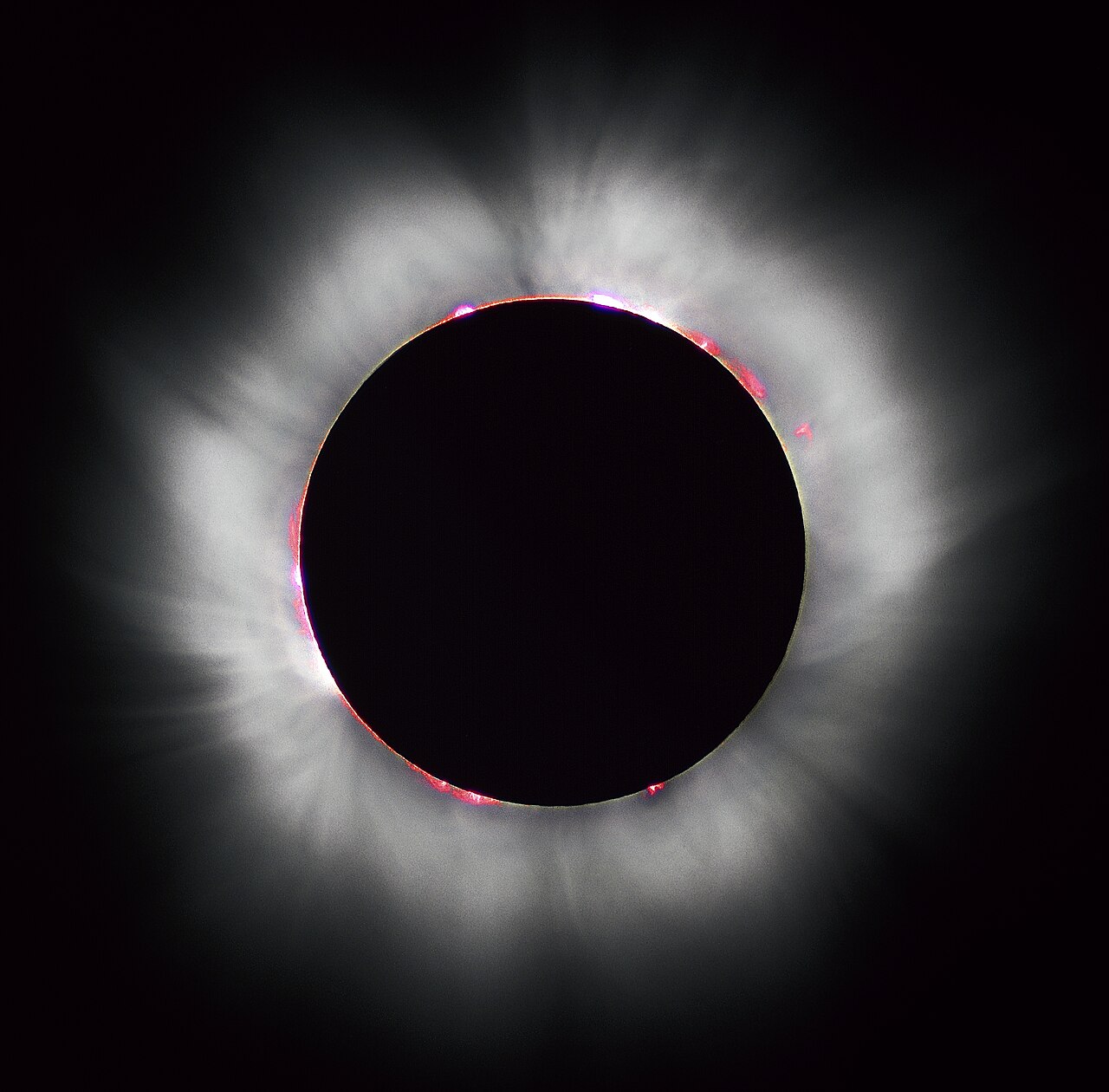
An annular solar eclipse is a spectacular celestial event where the Moon covers the center of the Sun, leaving a ring-like appearance known as the ‘ring of fire.’ This phenomenon offers a beautiful sight of the solar corona and distinct viewing experiences. Unlike a total solar eclipse, where the Moon completely obscures the Sun, during an annular eclipse, only part of the Sun’s surface is blocked.
These eclipses are not only breathtaking to observe but also serve as significant moments for educational outreach in astronomy, allowing people to engage with the cosmos in a unique way. This guide will delve into the details of annular solar eclipses, including the science behind them, how to safely observe them, their historical occurrences, and cultural implications.
What Causes an Annular Solar Eclipse?
An annular solar eclipse occurs when the Moon is positioned between the Earth and the Sun but is too far from Earth to completely cover the Sun. Here are the key elements at play:
- Orbital Distance: The Moon’s distance from Earth varies during its orbit due to its elliptical shape. When it is at apogee (the farthest point), it appears smaller in the sky compared to its size when at perigee (the closest point).
- Alignment: An alignment of the Sun, Moon, and Earth is essential for the occurrence of a solar eclipse. This alignment generally occurs during a new moon phase.
- Partial Obscuration: As the Moon passes directly in front of the Sun, it blocks the middle portion, creating a stunning visual effect. The ring of the Sun that remains visible is what characterizes an annular solar eclipse.
Understanding these factors is crucial for predicting when and where future annular eclipses will occur. But what about observing this phenomenon?
How to Safely Observe an Annular Solar Eclipse
Watching an annular solar eclipse can be a thrilling experience, but safety must come first. Here are essential tips for safely observing this celestial event:
- Use Solar Eclipse Glasses: Regular sunglasses are not sufficient. Invest in certified solar eclipse glasses that can filter out harmful rays.
- Pinhole Projector: Create a simple pinhole projector using two pieces of paper. By allowing sunlight to pass through a small hole, you can project the image of the eclipse onto a flat surface.
- Welder’s Glass: If you have access, a welder’s glass with a shade rating of at least 14 is suitable for observing the Sun.
- Never Look Directly at the Sun: Even during an annular eclipse, staring directly at the Sun can cause irreversible eye damage.
Following these safety precautions can help ensure a memorable and safe viewing experience. So, what about the earlier occurrences of annular eclipses and their significance?