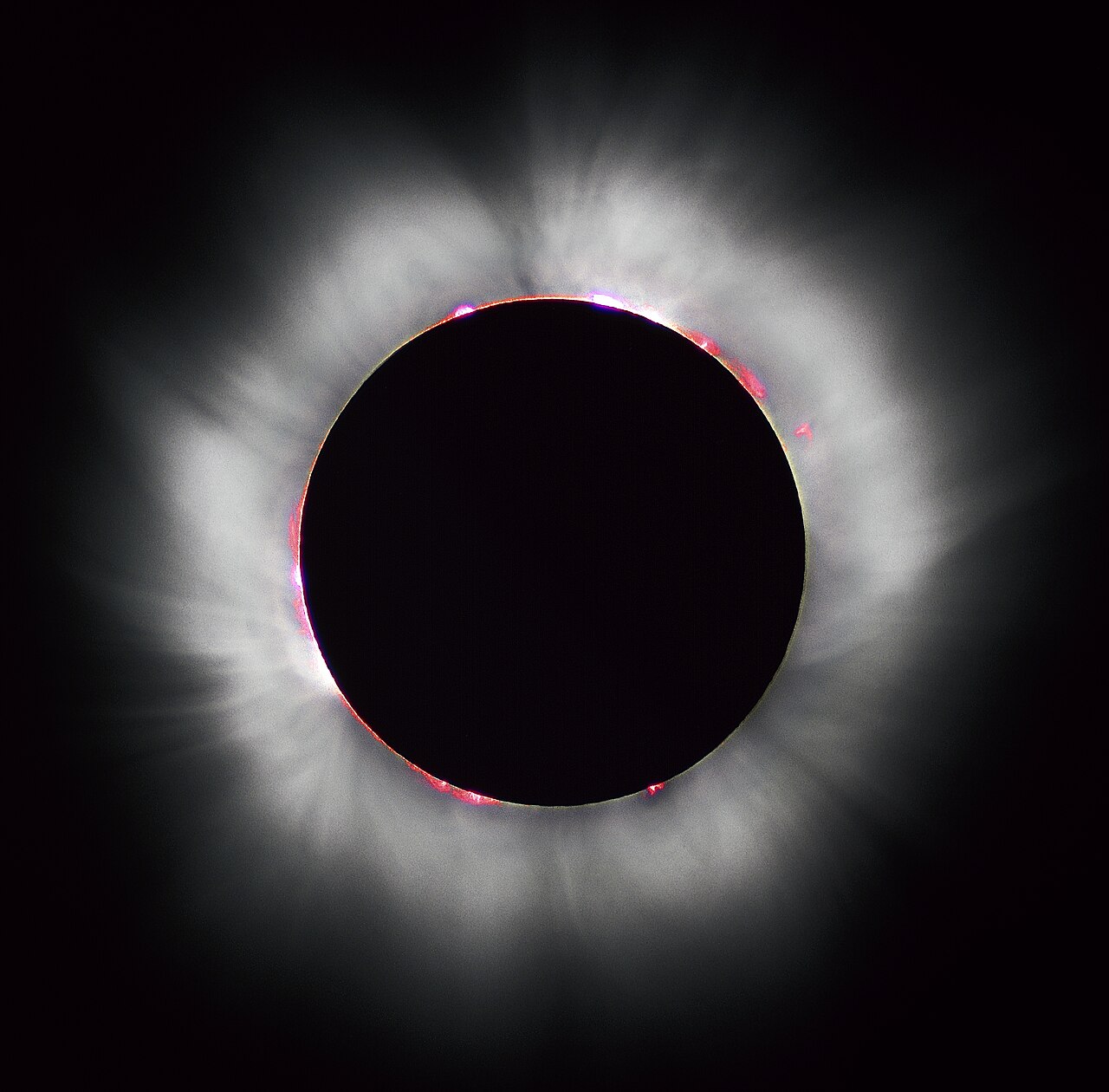
Environmental Impact of Solar Eclipses
Annular solar eclipses can lead to some interesting environmental observations:
- Temperature Drop: Observers have noted a slight drop in temperatures during an eclipse due to reduced sunlight.
- Animal Behavior: Some animals respond to the change in light, often exhibiting behavior that suggests confusion. Birds may stop singing, and nocturnal animals may become active.
- Human Reactions: Human behavior also varies widely, as people gather outdoors, and cities may experience temporary quietness.
These insights reflect our interconnectedness with natural phenomena. So, let’s address some common questions about annular solar eclipses.
FAQ
What is the difference between a total solar eclipse and an annular solar eclipse?
A total solar eclipse completely covers the Sun while an annular eclipse leaves a ring of light around the Moon.
How often do annular solar eclipses occur?
Annular solar eclipses occur roughly every 1-2 years, but they may not be visible from every location on Earth.
Can you look at the Sun during an annular solar eclipse?
No. It is still necessary to use proper solar viewing glasses or filters to observe the event safely.
When is the next annular solar eclipse?
Check local astronomical calendars or apps for upcoming dates to experience this stunning event.
Are there any places that are better for viewing annular solar eclipses?
Yes, locations within the path of annularity tend to offer the best views. Researching these paths can enhance your experience.
Annular solar eclipses remain captivating celestial events that enrich our understanding of the cosmos. From their scientific underpinnings to cultural interpretations, they invite all to share in their wonder. As we learn and observe, each eclipse becomes an opportunity not just for spectacle, but for deeper connection to the universe around us.