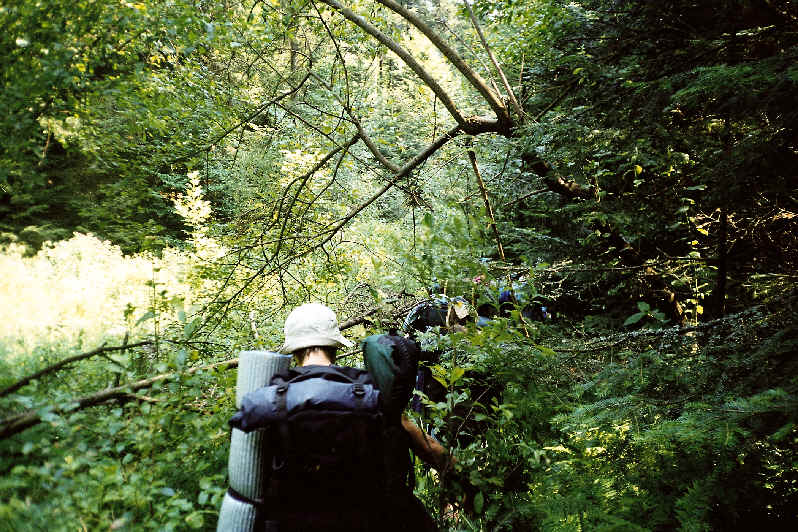
Essential Gear for Backpacking
Packing the right gear can make or break your backpacking experience. Here’s a detailed list of essential items to consider:
Backpack
Your backpack is central to your journey. When choosing a backpack, consider these factors:
- Capacity: Usually measured in liters, choose a size suitable for your trip duration (30-70 liters on average).
- Fit: Make sure the backpack fits comfortably on your body. Adjust straps and hip belts for balance.
- Features: Look for padded straps, multiple compartments for organization, and hydration reservoirs for easy access to water.
A good backpack will help evenly distribute the weight you carry, allowing for a more comfortable journey.
Shelter
A protective shelter is critical for overnight trips. Options include:
- Tents: Lightweight, freestanding tents are particularly popular, though choose based on the expected weather conditions.
- Hammocks: Especially great for warm weather and tree-rich environments, providing excellent airflow.
- Tarps: Versatile and lightweight, often used by minimalist campers.
Each shelter has unique pros and cons that should match your specific adventure, from the simplicity of a tarp to the comfort of a tent.
Sleeping Gear
Quality sleep is vital for maintaining energy levels during your outdoor excursions. Consider including:
- Sleeping Bag: Choose one rated for the temperature range you expect during your trip. Mummy bags can be more efficient for warmth.
- Sleeping Pad: Provides insulation from the cold ground, improving comfort. Air and foam pads are common choices.
- Pillow: Some use inflatable pillows, while others prefer packing a stuff sack with clothes for added comfort.
Investing in good sleeping gear ensures comfort and a well-rested journey that can greatly enhance your experience.
Cooking Equipment
Cooking in the wilderness can be simple and enjoyable. Essential cooking gear includes:
- Portable Stove: Lightweight options like gas canister stoves provide convenience. Consider multi-fuel options for versatility.
- Cookware: A small pot or pan that suits your meal-preparation style. Lightweight titanium is a great choice.
- Utensils: Don’t forget to pack a spatula, spoon, and a compact cutting board.
- Food Storage: Use bear-proof containers or dry bags to keep your food safe and secure.
Prepare meals that provide the required energy for your hikes, focusing on lightweight, high-calorie foods like nuts and dried fruits.