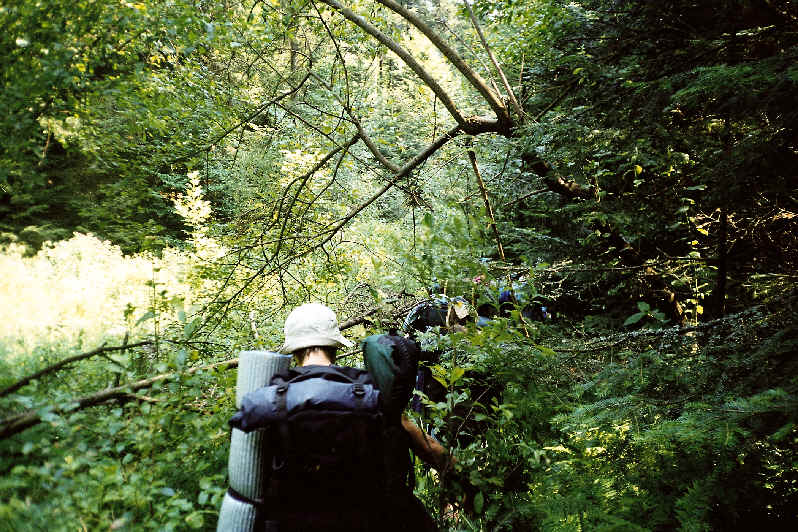
Preparing for Various Weather Conditions
Backpacking can expose you to various weather conditions. Preparation can enhance your experience:
- Rain Gear: Waterproof jackets and pants are essential to keep you dry during unexpected rain.
- Cold Weather Equipment: Insulated jackets, thermal layers, and hand warmers are helpful for winter hikes.
- Heat Management: Light layers that wick moisture away and allow freedom of movement are crucial for warm climates.
Knowing how to prepare for the elements can significantly impact your overall comfort and experience.
Planning Your Itinerary
Creating a structured plan for your trip can help avoid complications:
- Research Trails: Use maps and online resources to understand the terrain and duration.
- Check Weather Conditions: Look at forecasts leading up to your trip for better preparedness.
- Set a Daily Itinerary: Briefly plan out daily activities, including anticipated hiking times and breaks.
A well-crafted itinerary can enhance enjoyment and reduce risks during your journey.
FAQ
Q: What is the best time for backpacking?
A: The best time depends on your location. Generally, spring and fall offer mild weather, suitable for most trails.
Q: How can I lighten my backpack?
A: Choose lightweight gear, opt for multi-use items, and pack only essentials to reduce weight.
Q: Do I need special training for backpacking?
A: Basic hiking experience and outdoor safety knowledge are recommended, especially for more rigorous terrains.
Q: How do I find reputable trails?
A: Use hiking guides, outdoor websites, and local maps to discover trails suited to your skill level and interests.
Q: What are the health benefits of backpacking?
A: It improves cardiovascular health, builds strength, and can significantly reduce stress and anxiety levels.
In summary, planning for a backpacking trip involves selecting the right gear, clothing, and being prepared for a variety of weather conditions. With the right essentials at hand, you’ll be well-equipped for a safe and enjoyable adventure in nature.