Introduction
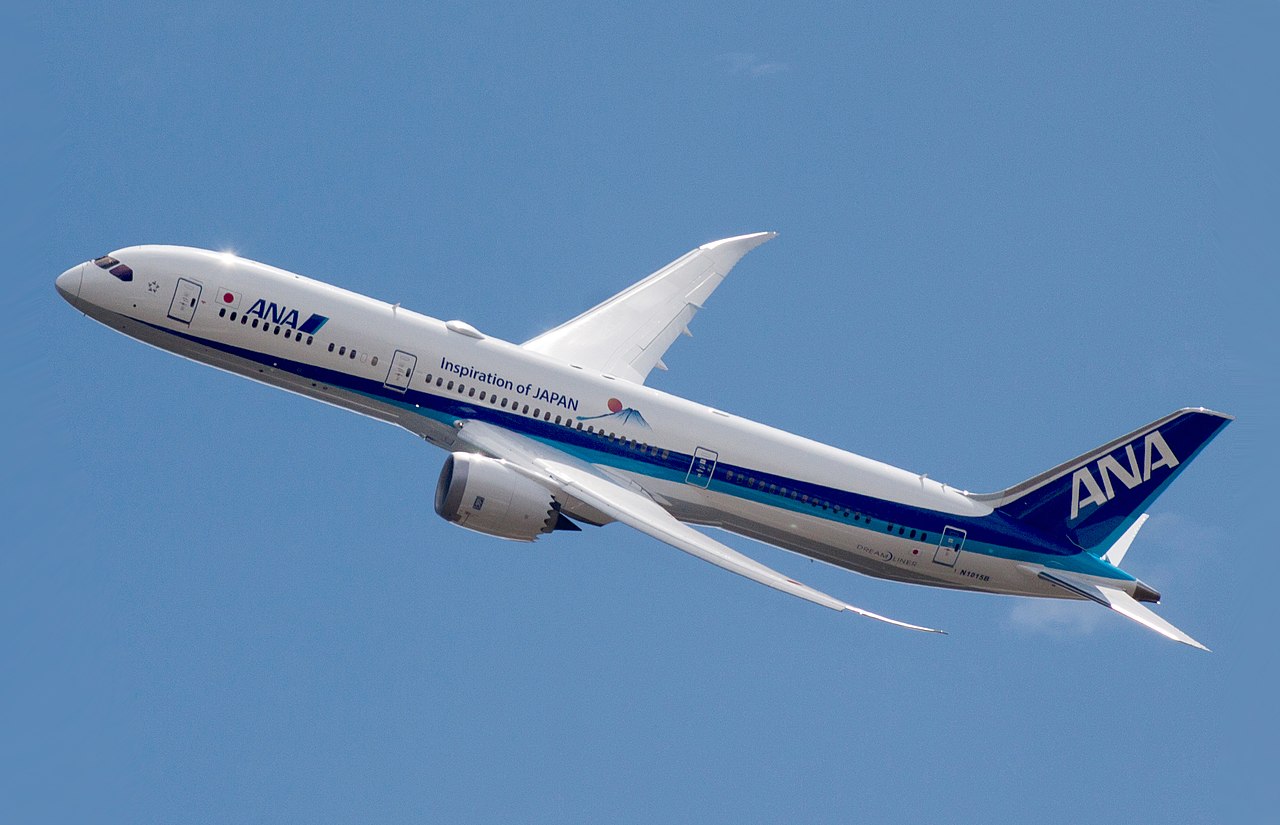
The Boeing 787-9 is a marvel of modern aviation, enhancing the way airlines operate and passengers travel. As part of the Dreamliner family, the 787-9 model boasts innovative technologies and is designed for long-haul flights, emphasizing efficiency and comfort.
In this article, we will delve into the specifications, features, and advantages of the Boeing 787-9. Whether you are an aviation enthusiast or a frequent traveler, this guide provides valuable insights into what makes this aircraft a significant player in commercial aviation.
Overview of the Boeing 787-9
The Boeing 787-9 is a mid-size, wide-body, twin-engine jet designed for efficiency. It is the second variant of the Dreamliner program, following the original 787-8. With an increased length of 20 feet compared to its predecessor, the 787-9 offers enhanced passenger capacity and range.
This aircraft incorporates composite materials, making up about 50% of its structure. This innovative design results in a lighter, more fuel-efficient plane, which is vital for airlines looking to cut operational costs.
Specifications of the Boeing 787-9
The specifications of the Boeing 787-9 reflect its capabilities:
- Length: 206 feet (62.1 meters)
- Wingspan: 197 feet (60 meters) with raked wingtips
- Maximum Takeoff Weight: 560,000 lbs (254,000 kg)
- Passenger Capacity: 242 to 290 (depending on configuration)
- Cruising Speed: Mach 0.85
- Range: Approximately 7,530 nautical miles (14,140 km)
These specifications highlight the aircraft’s ability to connect distant cities with relative ease, redefining long-haul travel.
Key Features of the Boeing 787-9
Advanced Aerodynamics
One of the defining features of the Boeing 787-9 is its advanced aerodynamics. The raked wingtips improve lift and reduce drag, contributing to a smoother flight and enhanced fuel efficiency.
Fuel Efficiency
The Boeing 787-9 is equipped with advanced engines, specifically the Rolls-Royce Trent 1000 or the General Electric GEnx. These engines are designed to burn up to 20% less fuel compared to similarly sized aircraft, making the 787-9 an environmentally friendly option.
Cabin Comfort
Passenger comfort is a top priority for the 787-9. Features such as larger windows that dim at the touch of a button, improved cabin pressure, and a quieter interior contribute to a more pleasant flight experience. The cabin altitude is typically set at 6,500 feet, which helps reduce passenger fatigue.
Innovative Materials
The use of advanced composite materials not only enhances the aircraft’s structural efficiency but also increases durability and resistance to corrosion. This results in lower maintenance costs for airlines, making the 787-9 a cost-effective choice over time.