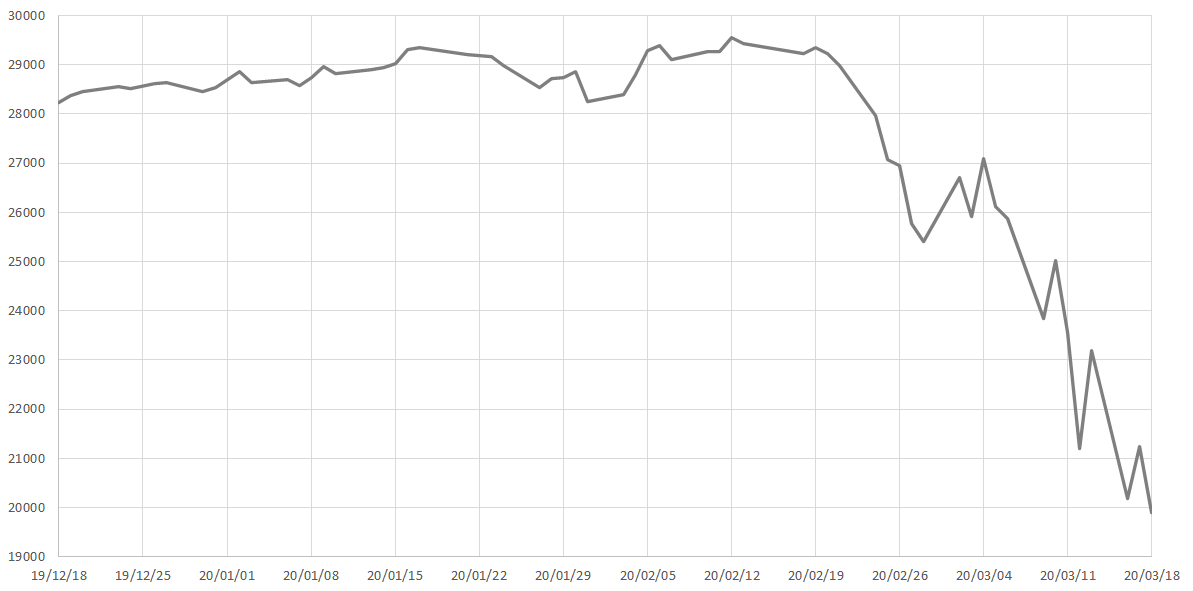
Historical Performance of the DJIA
The history of the Dow Jones Industrial Average is rich and reflective of broader economic cycles. From its inception in 1896 to the present day, the DJIA has undergone numerous fluctuations. Here are a few key moments in its history:
- The Great Depression (1929): The DJIA faced massive declines during the stock market crash, illustrating its vulnerability to economic downturns.
- Post-War Economic Boom (1940s-1960s): Following World War II, the DJIA surged as the economy expanded.
- Dot-Com Bubble (1990s): The technological boom led to significant growth, which came crashing down in the early 2000s.
- Global Financial Crisis (2008): The DJIA plummeted, drawing attention to the interconnectivity of global economies.
Factors Influencing the DJIA
Understanding the numerous factors that impact the DJIA is crucial for investors. Significant elements include:
- Monetary Policy: Changes in interest rates by the Federal Reserve can influence stock prices.
- Economic Data Releases: Reports on employment, GDP, and consumer spending can shape market perception and DJIA performance.
- Global Events: Political instability, trade tensions, and major international events can lead to shifts in the index’s value.
Investing Considerations Related to the DJIA
Investing in the stock market often requires a long-term perspective. Below are some strategies investors may adopt when considering the DJIA:
- Diversification: While the DJIA comprises a collection of industries, relying solely on it could lead to concentrated risks. Diversifying into other assets may be beneficial.
- Index Funds and ETFs: Investors often purchase index funds or ETFs that track the DJIA, providing exposure without needing to invest in each component individually.
- Market Timing: Attempting to buy low and sell high may lead to short-term gains. However, predicting market movements relating to the DJIA is inherently challenging.