Understanding Earthquakes: Causes, Effects, and Safety Measures
Earthquakes are natural phenomena that occur when there is a sudden release of energy in the Earth’s crust, causing the ground to shake. This article explores the causes and effects of earthquakes, as well as safety measures that can be taken to protect yourself and your property.
Understanding earthquakes is crucial for individuals living in seismic zones. Knowledge about these events can aid in preparation and response, ultimately saving lives.
What Causes Earthquakes?
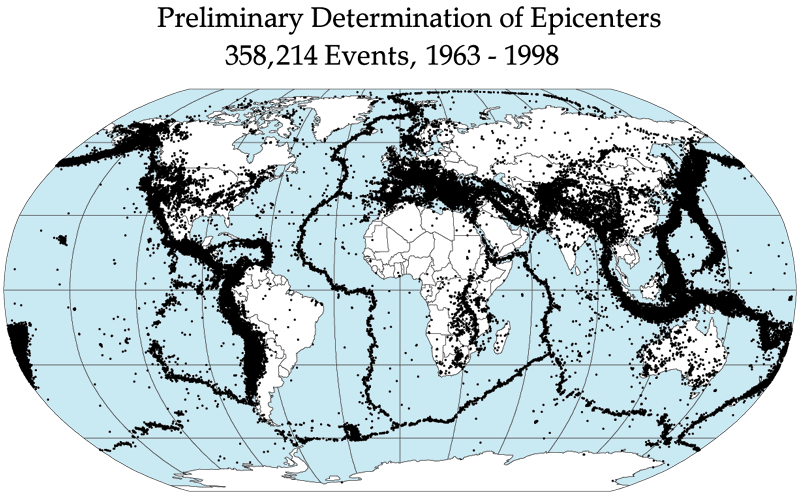
Earthquakes primarily result from tectonic plate movements. The Earth’s crust is divided into numerous pieces, known as tectonic plates, which are constantly shifting. Here are the main causes of earthquakes:
- Tectonic Plate Movement: Most earthquakes occur at the borders of tectonic plates. When these plates collide, pull apart, or slide against each other, the energy released can result in an earthquake.
- Volcanic Activity: Earthquakes can also occur in volcanic regions due to magma pushing its way to the surface, which creates pressure and can cause an eruption along with seismic activity.
- Human Activities: Activities like mining, reservoir-induced seismicity from large dams, and geothermal energy extraction can also cause earthquakes, although these are typically less intense.
Understanding these causes can help in predicting areas likely to experience seismic activity.
Types of Earthquakes
There are several types of earthquakes, categorized based on their causes and characteristics:
- Tectonic Earthquakes: The result of tectonic plates shifting. This is the most common type.
- Volcanic Earthquakes: Associated with volcanic activity.
- Collapse Earthquakes: Occur in underground cavities or mines.
- Explosion Earthquakes: Result from explosions, often related to mining or military activities.
Identifying the type of earthquake can help in managing the risks associated with them.
The Scale of Earthquakes
Earthquakes are measured using different scales that quantify their magnitude and intensity:
- Richter Scale: Measures the magnitude, or energy released. Each whole number increase on the Richter scale indicates a tenfold increase in amplitude and approximately 31.6 times more energy release.
- Moment Magnitude Scale (Mw): More accurate than the Richter scale, especially for larger earthquakes. It measures the total energy released at the source.
- Modified Mercalli Intensity Scale: Measures the intensity of shaking and damage caused by an earthquake, ranging from I (not felt) to XII (total destruction).
Understanding how earthquakes are measured allows for better communication and comparison of seismic events.