FAQs
What is an earthquake?
An earthquake is the shaking of the Earth’s surface caused by the sudden release of energy in the Earth’s crust.
How are earthquakes measured?
Earthquakes are measured using the Richter scale, Moment Magnitude scale, and the Modified Mercalli Intensity scale.
What should I do during an earthquake?
Drop, cover, and hold on. Stay in a safe location until the shaking stops.
Can earthquakes be predicted?
Currently, earthquakes cannot be predicted with precise accuracy, though scientists are making progress in understanding their patterns.
What are the types of earthquakes?
The main types include tectonic, volcanic, collapse, and explosion earthquakes.
How can I prepare for an earthquake?
Create an emergency plan, build an emergency kit, secure your home, and conduct regular drills.
What should I do after an earthquake?
Assess safety, follow emergency services, document damage, and seek help as needed.
Are all areas at risk for earthquakes?
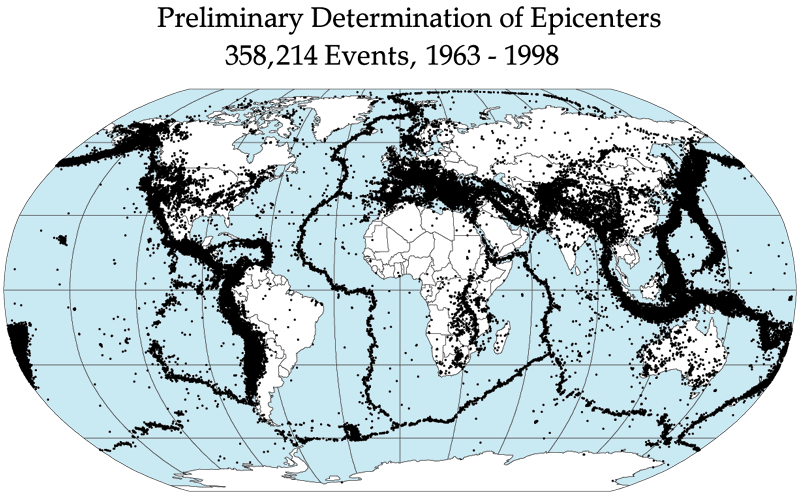
No, certain areas, known as seismic zones, are more at risk due to tectonic plate boundaries.
Conclusion
Understanding earthquakes, their causes, and effects is essential for anyone living in or near seismic zones. By implementing safety measures and preparing in advance, you can significantly reduce the risks associated with these natural events. Equip yourself with knowledge and tools to stay safe, and remember the importance of community support in the aftermath of an earthquake.