Introduction
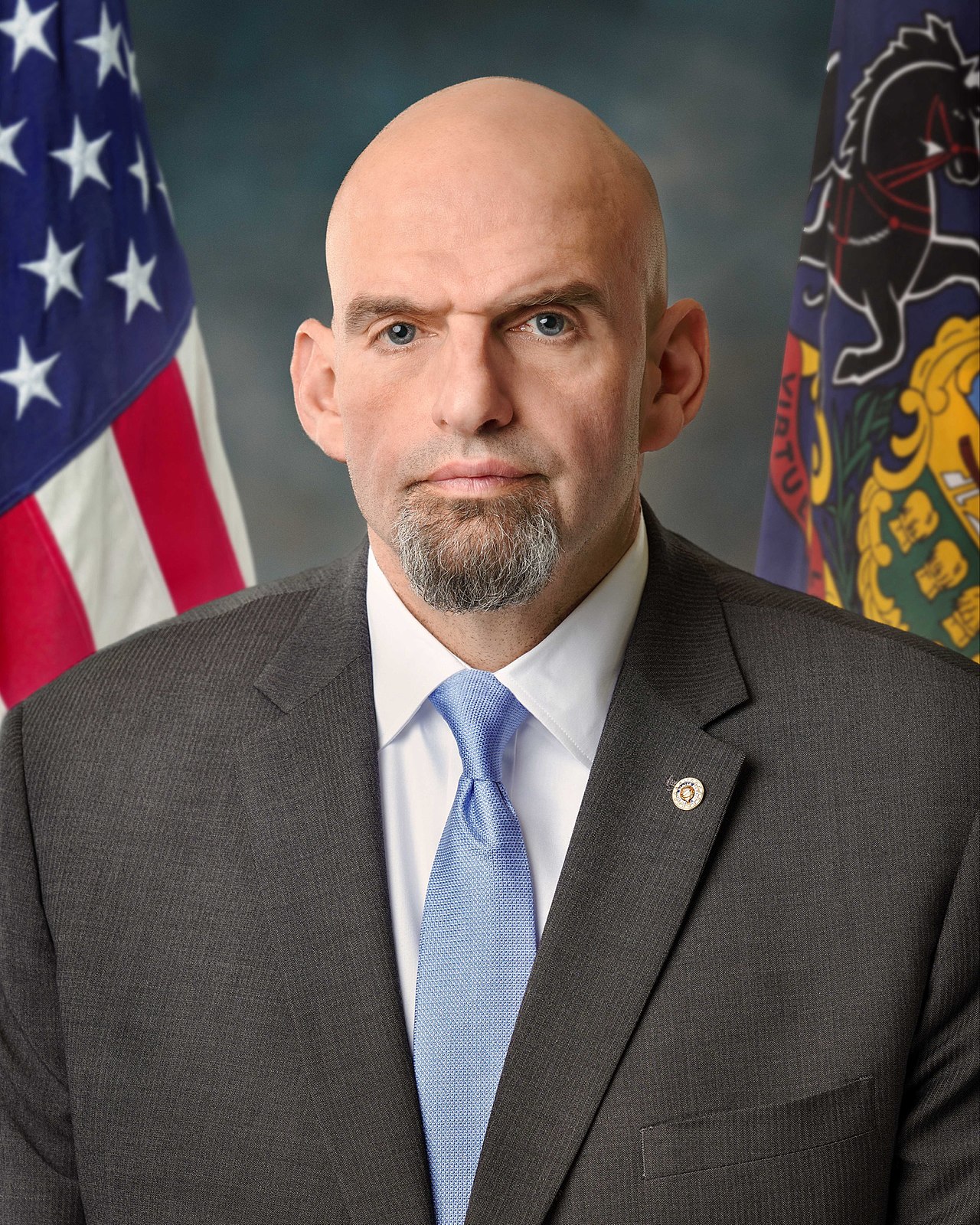
John Fetterman has garnered attention not only for his distinctive appearance but also for his unapologetic approach to politics. As a prominent figure in Pennsylvania’s political landscape, he has made significant strides in community service, mental health advocacy, and progressive policies. This article delves into Fetterman’s journey, his key policies, and the impact he has had on his constituents and beyond.
Early Life and Background
Born on August 15, 1969, in Reading, Pennsylvania, John Fetterman experienced a unique upbringing that molded his perspectives. He attended Albright College and later earned a master’s degree in public policy from Harvard University. Fetterman’s dedication to public service began during his time as the mayor of Braddock, Pennsylvania, a small town that faced socioeconomic challenges.
Fetterman’s life experiences, including personal encounters with adversity, have significantly influenced his political platform. His time in Braddock provided him with firsthand insights into the struggles of working-class families.
Political Career
Mayor of Braddock
Fetterman served as the mayor of Braddock from 2006 to 2019. During this time, he focused on revitalizing the community through innovative programs. He emphasized the importance of community engagement and economic development. Under his leadership, Braddock saw initiatives aimed at improving housing, education, and local business support.
Fetterman famously claimed a vision for a more inclusive, vibrant Braddock, which became a hallmark of his political identity.
Pennsylvania State Senate
In 2019, Fetterman was elected as the Lieutenant Governor of Pennsylvania. His role allowed him to address pressing issues like criminal justice reform and addiction recovery. He became a vocal advocate for changing laws that disproportionately affect marginalized communities, gaining the support of many Pennsylvanians.
Fetterman’s position in the state government provided him with a broader platform to promote his progressive ideals and serve his constituents.