Understanding Home Heating Oil Price Increase: Causes & Impact
Home heating oil price increase has become a significant concern for many homeowners, especially during the colder months. Understanding the factors that influence these prices can help you make informed decisions about your heating options and manage your energy costs accordingly.
In this article, we will explore the causes of rising home heating oil prices, how they affect homeowners, and what steps can be taken to mitigate costs.
What is Home Heating Oil?
Home heating oil is a type of petroleum product used primarily to heat residential properties. It burns efficiently in special oil-fired boilers and furnaces, providing an effective source of heat for homes. Its composition typically includes a mixture of kerosene and fuel oil.
Many families rely on home heating oil, especially in colder climates, making it essential to understand price dynamics.
Factors Leading to Home Heating Oil Price Increase
Several factors contribute to home heating oil price increases. Below are some key contributors that homeowners should be aware of to understand the pricing landscape better:
1. Supply and Demand
The balance of supply and demand plays a crucial role in setting heating oil prices. A higher demand for heating oil during winter months, combined with limited supply, can lead to significant price increases.
2. Global Crude Oil Prices
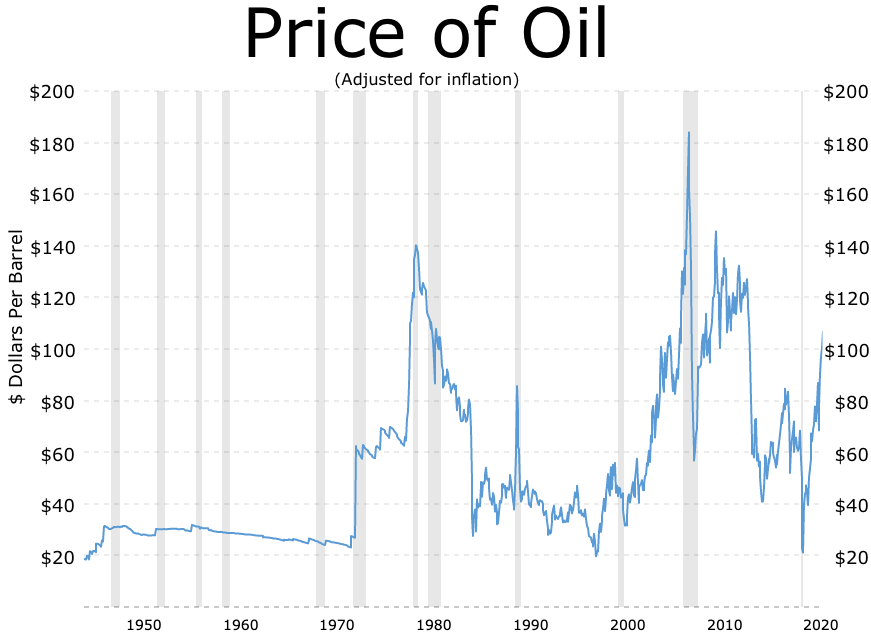
Home heating oil prices are closely linked to the global market price of crude oil. When crude oil prices rise, heating oil prices generally follow suit. Factors affecting crude oil prices include geopolitical tensions, natural disasters, and OPEC production decisions.
3. Refinery Capacity
Refineries convert crude oil into various products, including heating oil. If refinery operations are disrupted, whether due to maintenance or unexpected events, it can reduce the available supply of heating oil, consequently pushing prices up.
4. Seasonal Changes
The onset of winter typically sees an increase in demand for heating oil as homeowners prepare for colder temperatures. This seasonal variation often leads to a surge in prices, as demand can outstrip supply during peak heating seasons.
5. Transportation Costs
Transportation plays an integral role in the distribution of heating oil. When fuel transportation costs increase—due to higher transport fees or logistical challenges—these costs are usually passed on to consumers in the form of higher heating oil prices.