Introduction
The Iraq Iran War, lasting from 1980 to 1988, was one of the most significant conflicts in the Middle East, characterized by immense human suffering and geopolitics. Rooted in deep-seated historic and territorial issues, this war not only diminished the resources of both nations but also shaped the regional dynamics in ways that persist today.
The war began when Iraq, led by Saddam Hussein, invaded Iran, catalyzing a bloody conflict that would have far-reaching implications. This article explores the causes, key events, and consequences of the Iraq Iran War, providing a comprehensive overview of this complex historical episode.
Background of the Iraq Iran War
Before delving into the war itself, it is essential to understand the historical context that set the stage for this conflict.
Historical Relations between Iraq and Iran
For centuries, Iraq and Iran shared a tumultuous relationship, shaped by territorial disputes, cultural differences, and political ideologies. The two nations’ borders were established during the early 20th century, which laid the groundwork for future grievances.
The creation of modern Iraq, with its diverse ethnic makeup, and the Islamic Revolution in Iran in 1979 led to heightened tensions. Iraq, predominantly Sunni under Saddam Hussein, felt threatened by Shia Iran’s revolutionary ideology. The situation was strained further by Iran’s support for various Shia groups in Iraq, raising fears of internal unrest and a potential Shia uprising.
Economic Factors
Economic motivations played an equally crucial role in the Iraq Iran War. Following the 1979 Iranian Revolution, Iran’s economy struggled, leading to instability that Iraq sought to exploit. With oil as the backbone of both economies, control over oil-rich regions became a point of contention. The Shatt al-Arab waterway, a vital route for oil exports, became a flashpoint during the conflict.
The Outbreak of War
In September 1980, Iraq launched a surprise attack on Iran, marking the beginning of an eight-year confrontation. This section will delve into the initial phases of the war and the immediate strategic objectives of Iraq.
Saddam Hussein’s Objectives
Saddam Hussein sought to assert Iraqi dominance in the region. His objectives included:
- Territorial Gains: Securing the Shatt al-Arab waterway was crucial for Iraq.
- Regime Change: Aiming to weaken the Iranian government and foster a change in leadership.
- Regional Power Dynamics: Establishing Iraq as the leading Arab power in the Middle East.
Early Successes and Setbacks
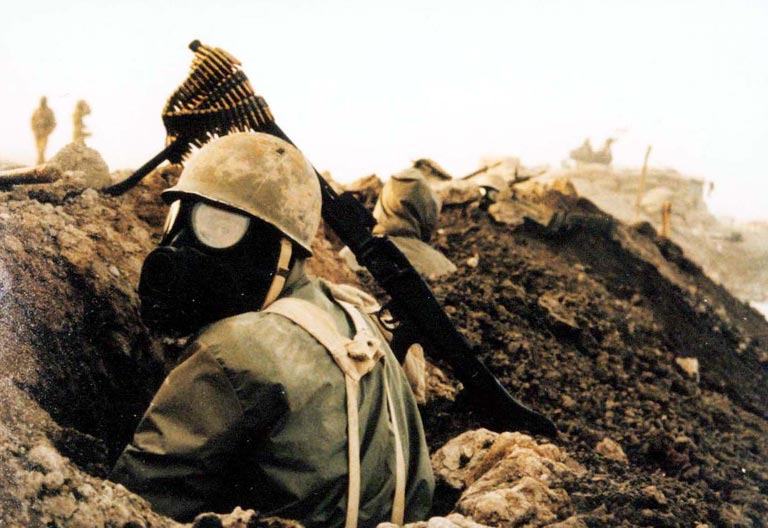
The initial military campaigns saw Iraqi troops making significant advances into Iranian territory. However, the Iranian military quickly regrouped, leading to a protracted stalemate. The war soon evolved into trench warfare reminiscent of World War I, with both sides sustaining heavy casualties.