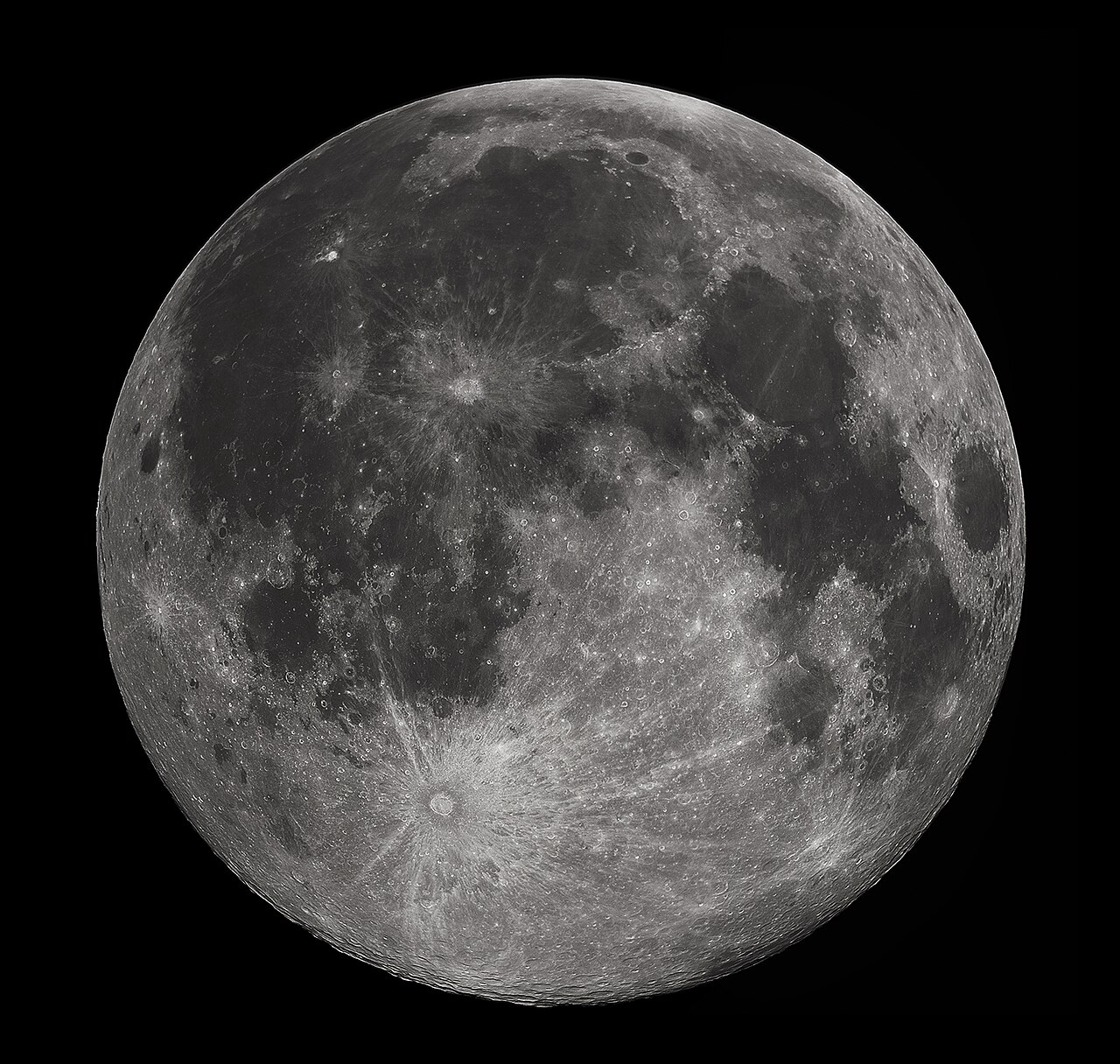
The Importance of Moon Phases in Nature
Lunar phases significantly affect various natural processes on Earth. Some effects include:
- Tides: The gravitational pull from the moon causes ocean tides to rise and fall.
- Animal Behavior: Certain animal species, such as sea turtles and many insects, synchronize their life cycles with lunar phases.
- Plant Growth: Some gardeners believe that planting by the moon can enhance growth based on lunar phases.
The moon’s influence extends beyond its visual beauty to its effects on the environment and living organisms.
Cultural Significance of the Full Moon
The full moon carries cultural significance in many societies around the world. Some examples include:
- Festivals: Many cultures celebrate full moons with festivals, such as the Mid-Autumn Festival in Asia.
- Religious Observance: Some religious calendars, like the Islamic Hijri calendar, depend on the lunar cycle.
- Folklore: Various myths and legends surround full moons, from werewolves to lunar deities.
Understanding these cultural connections helps appreciate the moon’s impact on human societies.
Tips for Moon Gazing
If you’re interested in getting the most out of your moon gazing experience, consider the following tips:
- Find a Dark Spot: Light pollution can obscure your view, so find a location with minimal city lights.
- Use Binoculars or a Telescope: These tools can enhance your observation of lunar craters and other features.
- Take Photos: With appropriate settings, you can capture stunning images of the full moon.
- Research: Familiarize yourself with lunar features and surface details to enrich your observation.
Moon gazing can be a calming and enlightening experience that connects you with the universe.
Frequently Asked Questions
What is the lunar cycle?
The lunar cycle is the cycle the moon undergoes as it orbits the Earth, lasting about 29.5 days, including new moons, full moons, and all intermediary phases.
Can the full moon affect sleep?
Some studies suggest that the light from a full moon can affect sleep patterns, although individual experiences may vary.
How often does a full moon occur?
A full moon occurs approximately once a month, though there can be two in one month, known as a blue moon, which happens roughly every 2.5 to 3 years.
What time does the full moon rise?
The full moon generally rises at sunset, but the exact time can vary based on your geographical location.
Is a full moon always completely bright?
While a full moon appears fully illuminated, atmospheric conditions, such as clouds and haze, can affect its brightness.
How does the full moon affect ocean tides?
The full moon’s gravitational pull enhances tidal forces, resulting in higher high tides and lower low tides.