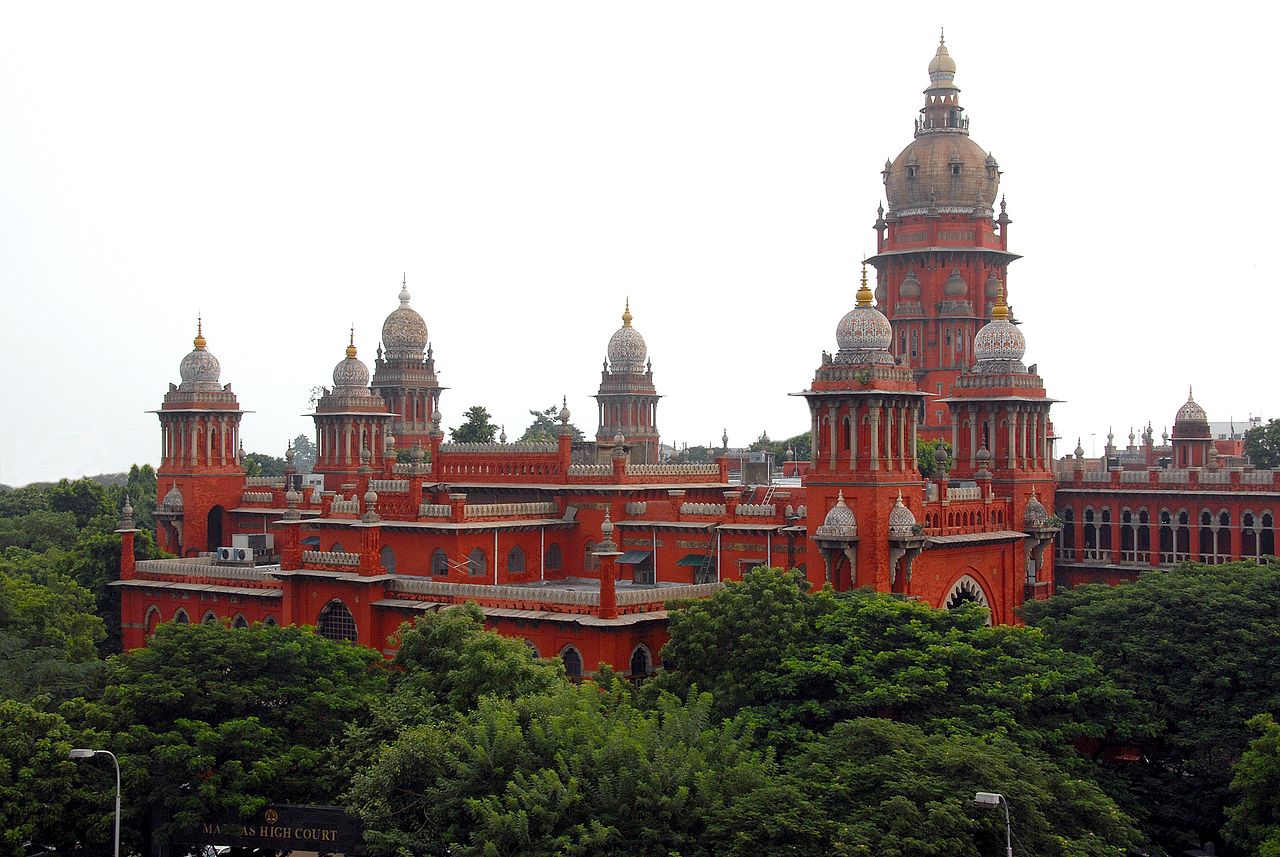
Introduction to the Madras High Court
The Madras High Court plays a vital role in the Indian judicial system, serving as one of the oldest and most significant courts in the country. Established during British rule, it has a rich history and a formidable reputation for its legal proceedings. This guide explores the court’s history, structure, jurisdiction, and more to provide a comprehensive understanding of its functions and significance in the Indian legal landscape.
History of the Madras High Court
The Madras High Court was established on June 15, 1862, under the Indian High Courts Act of 1861. It was originally located in the city of Madras (now Chennai) and replaced the Supreme Court of Madras. Over the years, it has played an instrumental role in shaping legal precedents in India, influencing various aspects of law and governance.
Evolution of the Court
Initially, the court operated with limited jurisdiction, but over time, its scope expanded significantly. Key milestones include:
- 1874: The expansion of powers to issue writs.
- 1925: Establishment of a separate division for dealing with criminal cases.
- 2006: Introduction of the Madras High Court Alternative Dispute Resolution Centre. These milestones not only reflect the court’s adaptability but also its commitment to improving access to justice.
Structure of the Madras High Court
The court’s structure is designed to handle a wide array of legal matters effectively. It comprises multiple benches and divisions, each specializing in specific areas of law.
Composition of the Court
The Madras High Court is headed by the Chief Justice, supported by numerous judges. The composition generally includes:
- Chief Justice: The primary judge who oversees the court’s functioning.
- Permanent Judges: Appointed by the President of India based on the Chief Justice’s recommendations.
- Additional Judges: Temporary appointments to manage case overloads. This structured approach ensures that cases are managed efficiently while upholding the rule of law.
Benches and Jurisdiction
The court comprises various benches, which handle different types of cases, including:
- Divisional Benches: Usually consisting of two judges, these handle most civil and criminal appeals.
- Single Benches: One judge presides over cases not requiring extensive hearings.
- Writ Benches: Focused on matters related to writs and constitutional issues. This system allows the High Court to address a multitude of legal issues promptly and effectively.
Jurisdiction of the Madras High Court
The jurisdiction of the Madras High Court is expansive, covering various legal domains.