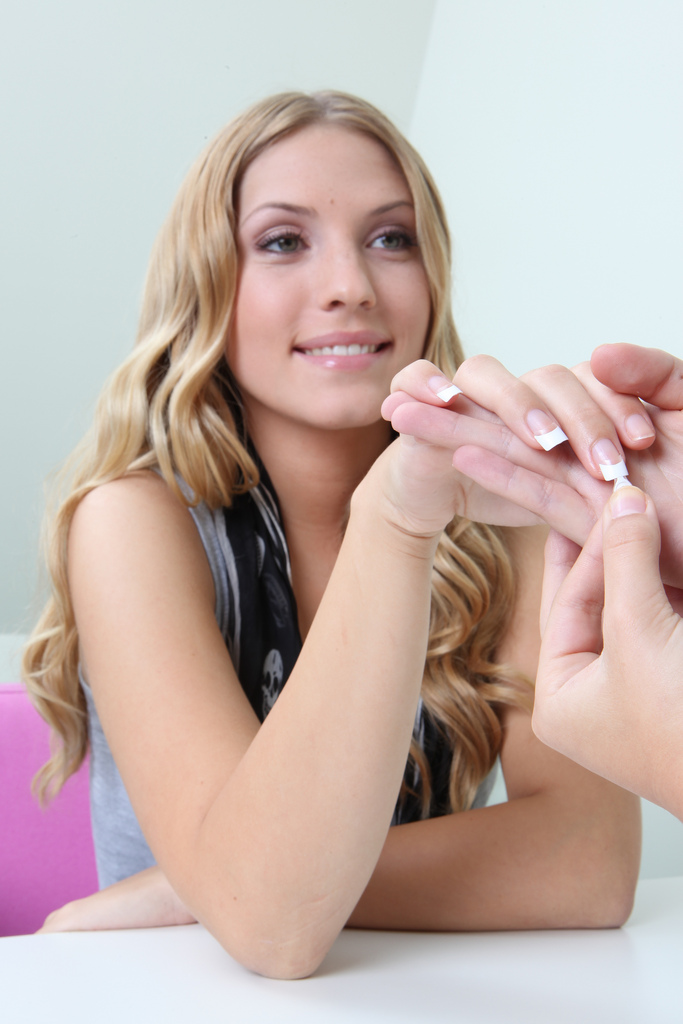
Introduction
Taking care of your nails is more than just a beauty regimen; it’s an essential part of personal hygiene and self-care. Healthy nails not only enhance your appearance but also indicate your overall health. This guide will cover everything you need to know about nail care, from basic hygiene to advanced techniques.
In this comprehensive guide, you’ll find practical tips, recommended products, and expert advice to maintain beautiful nails. Whether you’re aiming for a natural look or enjoy sporting nail art, proper nail care is crucial. Let’s dive into the essential aspects of maintaining the health and appearance of your nails.
Understanding Nail Anatomy
Before diving into care techniques, understanding the anatomy of your nails is essential. Each part plays a role in nail health and maintenance:
- Nail Plate: The visible part of the nail, made of layers of a protein called keratin. Healthy nails should be smooth and unblemished.
- Nail Bed: The skin beneath the nail plate, crucial for growth. A healthy nail bed appears pink, indicating good blood circulation.
- Cuticle: The tissue that overlaps the nail plate and protects the area from infection. Keeping cuticles intact is critical for infection prevention.
- Lunula: The crescent-shaped base of the nail, often visible. Its size can vary from person to person but should be present for healthy nails.
Understanding these components empowers you to care for them properly. The next section will explore daily nail care routines to keep your nails in top condition.
Daily Nail Care Routine
To maintain healthy nails, establishing a daily care routine is vital. Integrate these key steps into your daily life:
- Wash Your Hands Regularly: Keeping your hands clean prevents bacteria and fungus from affecting your nails. Use soap and water, especially after handling food or using public spaces.
- Moisturize: Apply hand cream or cuticle oil to nourish your nails and prevent dryness. Look for ingredients like vitamin E and aloe vera for maximum hydration.
- Avoid Excessive Water Exposure: Protect your nails when washing dishes or engaging in tasks involving prolonged water exposure. Consider using gloves to keep your nails dry, especially in winter.
- Trim Regularly: Keep nails short and neatly trimmed to prevent snagging and breakage. Use a sharp nail clipper and file them into your desired shape.
- Limit Nail Polish Usage: If you frequently use nail polish, take breaks to avoid weakening your nails from constant application.
Incorporating these habits into your daily routine will significantly improve your nail health. Next, let’s explore specialized nail care practices that can enhance your daily care.