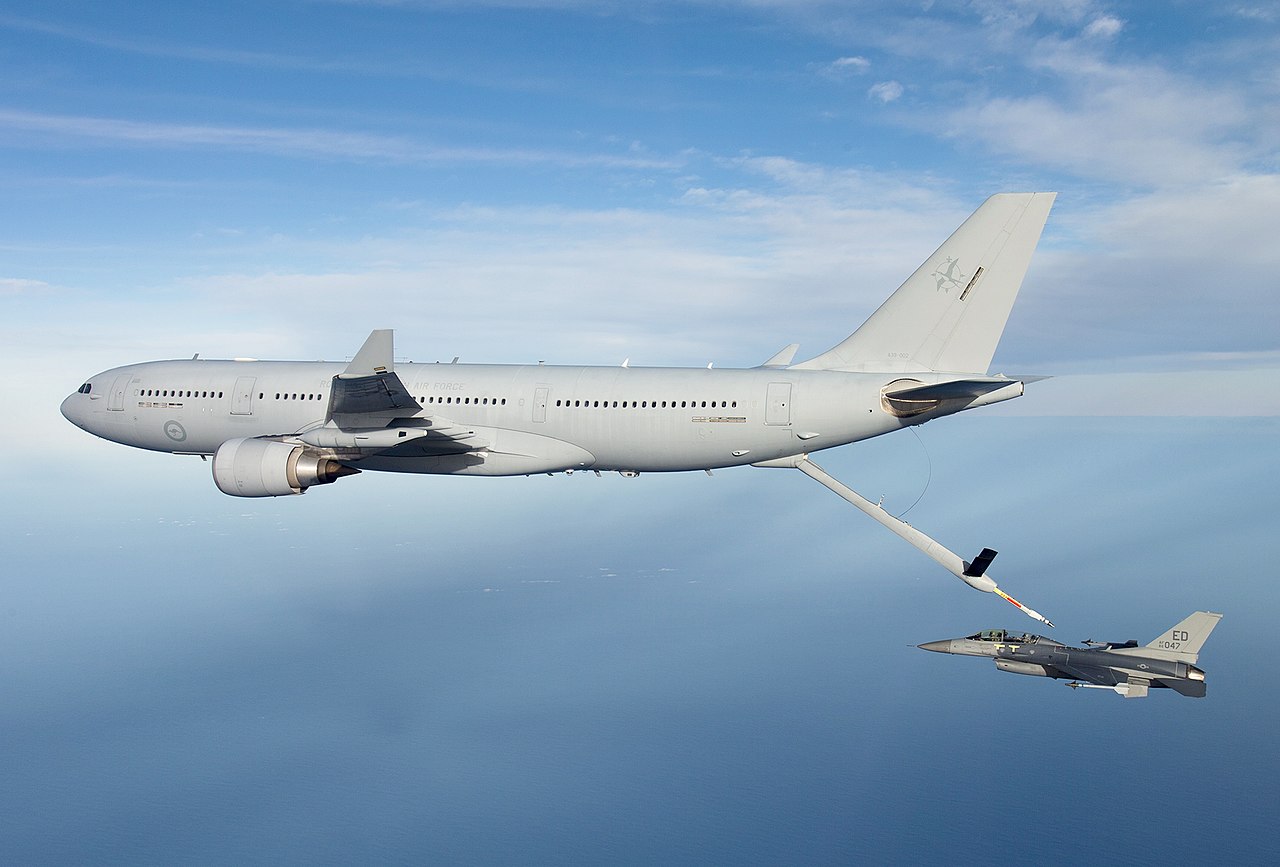
The Process of a Repatriation Flight
Launching a repatriation flight involves several critical steps:
Planning Phase
- Assessment of Needs: Authorities assess the situation, identifying how many individuals need repatriation and from where.
- Coordination with Local Governments: Collaboration with foreign governments and embassies is crucial for securing permissions.
Flight Preparation
- Aircraft Readiness: The A330 MRTT is equipped, fueled, and staffed for the mission.
- Safety Checks: Ensuring compliance with safety standards is paramount.
Execution Phase
- Flight Operations: Crew members execute the mission, focusing on safe transport.
- Communication: Regular updates are provided to relevant authorities throughout the flight.
Each of these steps ensures that repatriation is conducted efficiently and safely, maintaining the well-being of those on board.
Impact of Repatriation Missions
The RSAF’s repatriation flights have far-reaching implications, including:
- Humanitarian Aid: These missions represent a commitment to humanitarian principles, ensuring citizens’ safety and well-being during crises.
- Strengthening Relations: Successful operations can bolster diplomatic relations between Singapore and other nations.
- Enhancing National Security: Demonstrating the ability to respond to emergencies reinforces public confidence in national defense capabilities.
The overall impact extends beyond the immediate task, shaping perceptions of the RSAF’s role on a global stage.
Challenges Faced During Repatriation Flights
Despite the capabilities of the A330 MRTT, several challenges can arise:
- Logistical Complexities: Coordinating repatriation amid political or natural turmoil can complicate operations.
- Security Risks: Arrangements must ensure passenger safety in unstable regions.
- Public Perception: Handling citizen concerns and expectations is essential for public trust.
Each mission demands high levels of planning and adaptability to navigate these hurdles successfully.