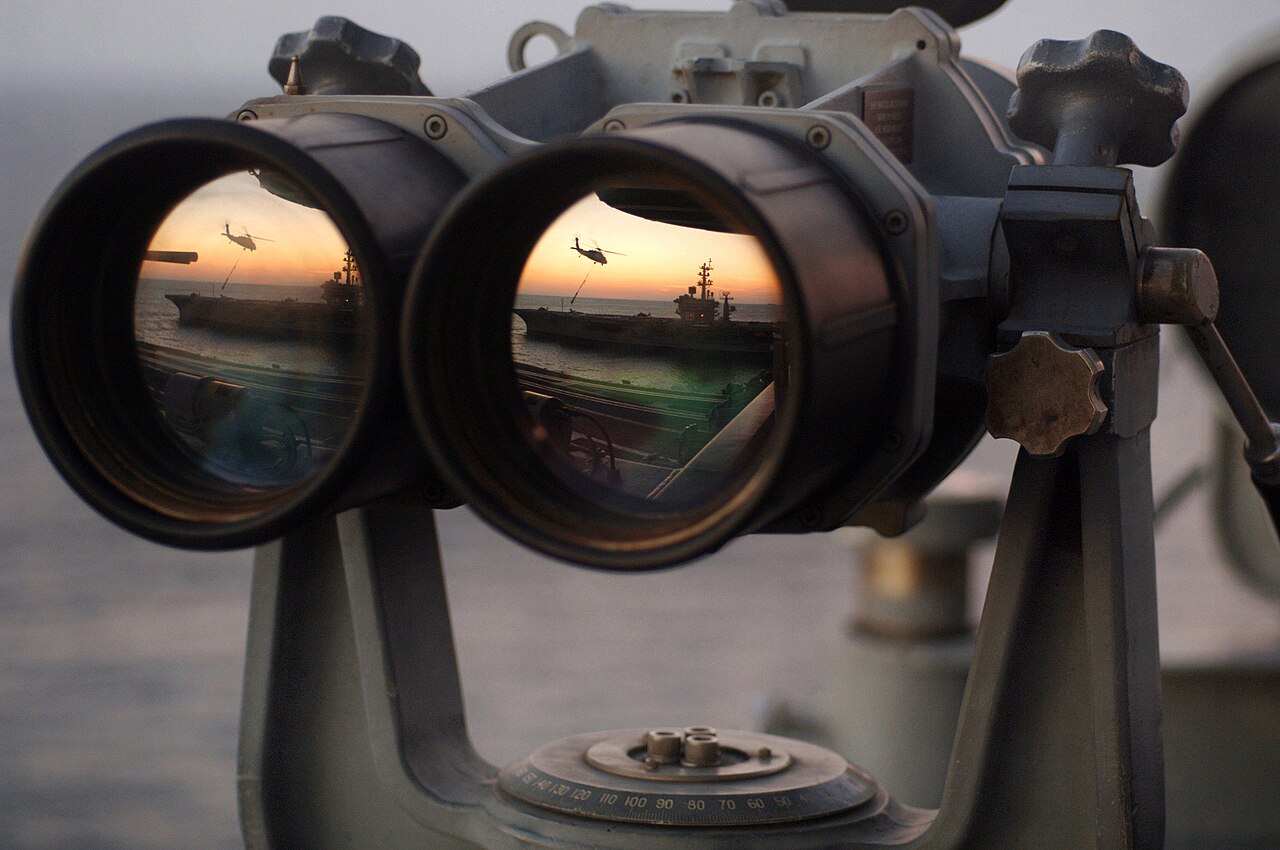
Types of Naval Vessels in the Fleet
The United States Navy’s fleet consists of various types of vessels, each designed for specific roles:
- Aircraft Carriers: Serve as mobile airbases, allowing for rapid deployment and support of air operations.
- Submarines: Essential for stealth operations, deterrence, and intelligence gathering.
- Destroyers and Cruisers: Provide fleet protection and offensive capabilities against surface and air threats.
- Amphibious Assault Ships: Enable troop and equipment transport, allowing for rapid military response.
Understanding the capabilities of these vessels is key to recognizing how the Navy conducts operations effectively across all theaters.
The Role of the Navy in National Security
The U.S. Navy plays a crucial role in ensuring national security through various functions:
- Deterrence: By maintaining a strong naval presence, the Navy deters potential adversaries from aggressive actions.
- Power Projection: Naval forces can quickly deploy to crisis areas, demonstrating U.S. commitment to allies and stability in regions of interest.
- Counterterrorism and Anti-Piracy Operations: The Navy engages in operations designed to protect shipping lanes and support anti-terror efforts globally.
These roles enhance not only U.S. security but also promote international stability and cooperation through naval diplomacy and humanitarian efforts.
Technology and Innovation in the Navy
The United States Navy continually invests in advanced technology to maintain its competitive edge. Key areas of focus include:
- Autonomous Systems: Drones and unmanned vehicles enhance surveillance, reconnaissance, and combat capabilities.
- Cybersecurity: Protecting critical systems and communications from cyber threats is increasingly vital in modern warfare.
- Advanced Weaponry: Innovations in missile systems, railguns, and directed energy weapons are reshaping naval engagement strategies.
Embracing technology allows the Navy to address emerging challenges effectively while enhancing overall operational efficiency.
Training and Recruitment in the Navy
Proper training and recruitment are essential for maintaining a competent naval force. The Navy offers:
- Military Training Programs: Rigorous physical and technical training ensures personnel are prepared for varied challenges.
- Scholarship and Education: Programs like the Naval Academy and ROTC enable aspiring officers to gain leadership and technical skills.
The focus on continuous improvement ensures that Navy personnel can adapt to fast-evolving operational environments.