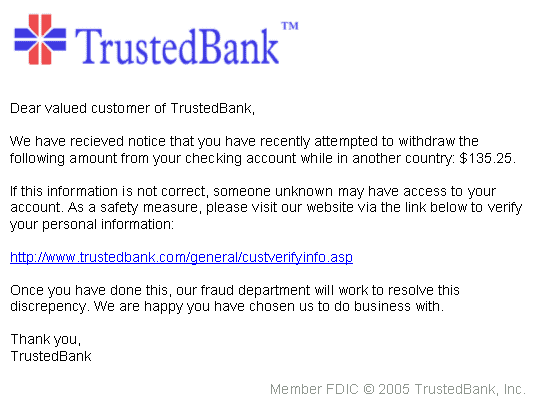
What is Phishing?
Phishing is a type of cybercrime that involves tricking individuals into providing sensitive information. This can include passwords, credit card numbers, and other personal details. Attackers often use deceptive emails, messages, or websites to lure victims into revealing their data.
In today’s digital age, phishing has become increasingly sophisticated. As technology evolves, so do the methods employed by cybercriminals. Understanding what phishing is and familiarizing yourself with its various forms is crucial for maintaining your online security. By being informed, you enhance your ability to recognize these threats and take appropriate countermeasures.
The Mechanics of Phishing
Phishing schemes typically operate systematically. The process generally involves the following steps:
- Preparation of Deceptive Content: Cybercriminals create fake emails, messages, or web pages that appear legitimate, often using design elements and language similar to reputable organizations.
- Distribution: These deceptive communications are sent to a wide audience, often thousands of people, in hopes that someone will fall for the scam. The attackers cast a wide net, relying on the law of averages to find a victim.
- Information Capture: Once the victim interacts with the deceptive element (e.g., clicking a link), their sensitive information is captured. This could lead to financial loss or identity theft.
The most common methods include email phishing, spear phishing, and vishing (voice phishing). Each has its unique characteristics and targets. Understanding the varying techniques can provide insights into how cybercriminals operate.