Introduction
Auburn University is a well-regarded institution located in Auburn, Alabama. Recognized for its exceptional academic programs and vibrant campus life, it serves a diverse student body from various backgrounds. This article explores where Auburn University is situated, delves into its rich history, highlights its academic offerings, and showcases its vibrant community.
Location Overview
Auburn University resides in the city of Auburn in East Alabama, specifically within Lee County. The campus covers approximately 1,841 acres and is situated about 100 miles northeast of Montgomery, Alabama’s capital. The university’s geographic coordinates place it at roughly 32.6051° N latitude and 85.4808° W longitude. Its proximity to various urban centers and natural attractions makes it an appealing destination for students and visitors alike.
Auburn’s Historical Significance
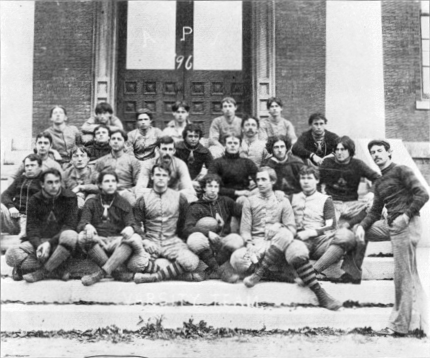
Established in 1856, Auburn University has evolved significantly over the years. Initially named the East Alabama Male College, it transformed into a comprehensive university providing a wide array of degree programs. The institution holds a prominent place in Alabama’s educational history and has contributed significantly to economic development in the region. The university was among the first to be designated as a land-grant institution in Alabama, emphasizing practical education.
Academic Programs Offered
Auburn University presents over 150 undergraduate and graduate degree programs across various disciplines. Notable colleges include:
- College of Agriculture
- College of Architecture, Design and Construction
- Harbert College of Business
- College of Education
- College of Engineering
- College of Science and Mathematics
Each college offers unique programs tailored to equip students with essential skills for their future careers. This broad spectrum of academic offerings underlines the university’s commitment to foster diverse educational opportunities.
Campus Facilities
The Auburn University campus features state-of-the-art facilities catering to academic, athletic, and recreational needs. Key highlights include:
- Libraries: Numerous libraries provide extensive resources and study spaces, such as the Ralph Brown Draughon Library, known for its vast collection of books and digital resources.
- Recreational Center: The Student Activities Center offers fitness programs and recreational activities to promote student well-being.
- Laboratories and Workshops: Advanced laboratories support research and hands-on learning, particularly in STEM fields.
These facilities are designed to enhance academic experiences and support student engagement throughout their university journey.