Understanding Capital Gains Tax Reform
Capital gains tax reform is a critical topic that impacts investors, homeowners, and the overall economy. Understanding how these reforms work can help individuals and businesses make informed decisions about their investments and financial strategies. This article will explore the complexities of capital gains tax reform, its implications, and important considerations for taxpayers.
What is Capital Gains Tax?
Capital gains tax is a tax on the profit earned from the sale of an asset, such as stocks, bonds, or real estate. The capital gain is calculated as the difference between the selling price and the original purchase price, also known as the basis. The rate at which these gains are taxed depends on several factors, including the holding period of the asset and the taxpayer’s income level.
There are two primary types of capital gains:
- Short-term capital gains: Profits from assets held for one year or less. These gains are typically taxed at ordinary income tax rates.
- Long-term capital gains: Profits from assets held for more than one year. These gains are usually taxed at reduced rates, which can vary based on income levels.
Understanding the distinctions between these two types of capital gains is crucial for tax planning.
The Need for Capital Gains Tax Reform
The debate surrounding capital gains tax reform often centers on equity and economic growth. Advocates for reform argue that the current tax system disproportionately benefits wealthier individuals who can afford to hold assets longer to secure lower long-term capital gains rates. Reformers also suggest that adjusting these rates could provide the government with additional revenue to fund social programs.
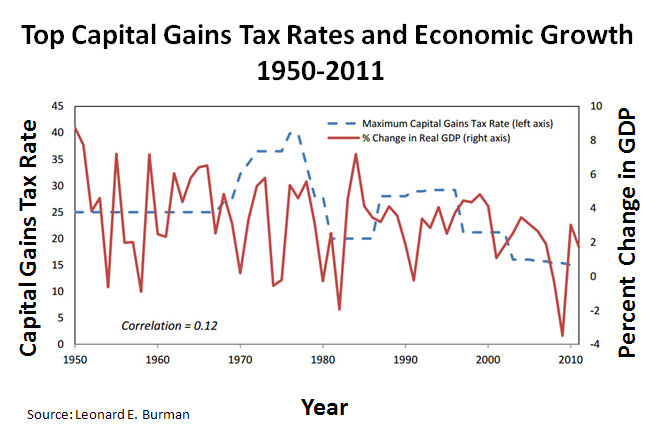
Conversely, opponents of reform argue that increasing capital gains taxes could stifle investment and economic growth. They contend that higher rates may discourage entrepreneurship and wealth accumulation, ultimately harming the economy. This ongoing debate highlights the need for a thoughtful and balanced approach to capital gains tax reform.
Current Capital Gains Tax Rates
As of the most recent tax guidelines, capital gains tax rates in the United States vary based on the individual’s taxable income. Here’s a summary of the current rates:
- 0% rate: For individuals in the lowest income brackets.
- 15% rate: For individuals in the middle-income brackets.
- 20% rate: For high-income earners.
Additional surcharges may apply in certain circumstances, particularly for high earners involved in specific types of investments. Understanding where you fall within these brackets can significantly impact your tax liabilities.