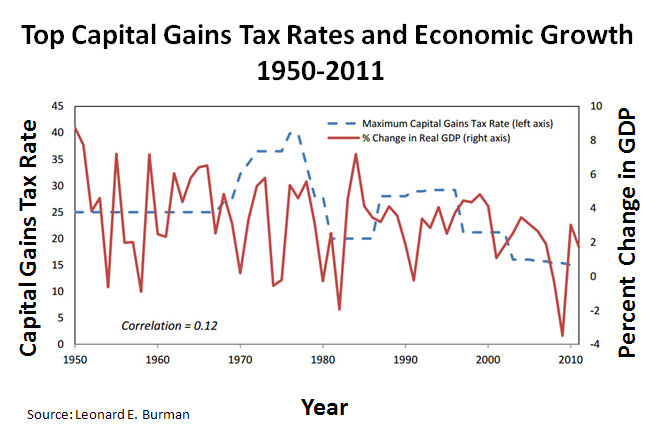
Implications of Capital Gains Tax Reform
Reforming capital gains tax can have wide-ranging implications for various stakeholders:
- Investors: A change in capital gains tax rates can influence investment behaviors, such as asset sales and the timing of investments.
- Real Estate Market: Adjustments to capital gains taxes could impact the real estate market, affecting home sales and property investments.
- Economic Growth: Changes in investor behavior in response to new tax structures may have either a positive or negative impact on overall economic growth, depending on the nature of the reform.
- Government Revenue: A well-structured reform could potentially increase tax revenue, providing funds for public services and programs.
The success of capital gains tax reform lies in achieving a balance between fair taxation and encouraging investment.
Key Factors Influencing Capital Gains Tax Reform
Several factors play a pivotal role in shaping capital gains tax reform:
- Political Climate: Changes in administration and legislative priorities influence tax policies.
- Economic Conditions: A growing economy may prompt discussions about tax reforms, particularly if revenue generation is needed.
- Public Opinion: Voter sentiment can significantly sway legislative direction on capital gains tax policies.
- Market Reactions: Investor and market responses to proposed reforms can also affect the likelihood of changes being implemented.
Understanding these factors will help you navigate the complexities of any proposed changes.
Strategies for Managing Capital Gains Taxes
To effectively manage capital gains tax liabilities, consider adopting the following strategies:
- Holding Period: Hold assets for over a year to benefit from lower long-term capital gains rates.
- Tax-Loss Harvesting: Offset gains by selling underperforming assets at a loss to reduce overall capital gains tax.
- Diversified Investments: Consider a diversified investment portfolio to spread risk and potentially minimize taxable gains.
- Consult a Tax Professional: Engaging with a tax advisor can provide personalized strategies that align with your unique financial situation.
Implementing these strategies requires careful planning and ongoing adjustments based on individual circumstances.
The Future of Capital Gains Tax Reform
As discussions around capital gains tax reform continue, it’s essential to stay informed about proposed changes and their potential impacts. Many policymakers are seeking to create a fairer tax system that balances the need for tax revenue with the desire to stimulate economic growth.
Investors should remain vigilant and prepare for possible shifts in capital gains tax regulations that may influence their financial portfolios. These changes can present both challenges and opportunities for strategic investment planning.