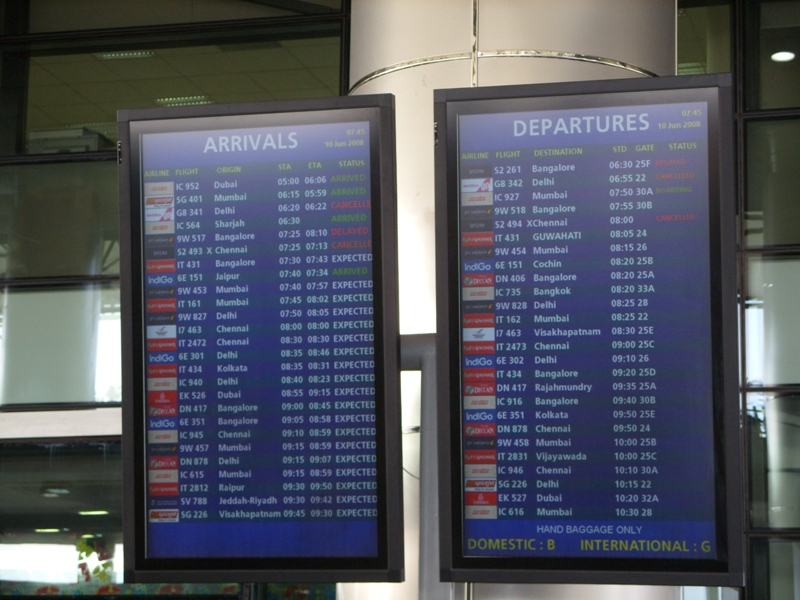
Understanding Flight Cancellation and Delay: Your Complete Guide
Flight cancellations and delays are common occurrences that can disrupt travel plans significantly. Understanding the reasons behind these disruptions, as well as your rights as a passenger, can help you manage these frustrating situations more effectively. This article serves as a comprehensive guide to navigating the complexities of flight cancellations and delays, empowering you with the knowledge to approach these challenges proactively.
What Causes Flight Cancellations and Delays?
Air travel is complex and influenced by various factors that can lead to cancellations and delays. Understanding these can help set realistic expectations for your travel plans.
- Weather Conditions: Severe weather events can hinder flight operations. Heavy rain, fog, snow, and thunderstorms can create unsafe conditions for takeoff and landing.
- Technical Issues: Mechanical failures or technical malfunctions on aircraft require immediate attention, often resulting in cancellations or delays.
- Operational Decisions: Airlines may decide to cancel or delay flights due to slot restrictions at airports, crew scheduling issues, or other operational challenges.
- Security Concerns: Heightened security measures, whether due to specific threats or general protocols, can lead to delays in boarding and takeoff.
- Airport Congestion: Busy airports may face high traffic, leading to delays. This can also be exacerbated by limited runways or air traffic control restrictions.
Each of these factors has its nuances. For instance, while weather-related cancellations are often unavoidable, technical issues can sometimes indicate a deeper concern with the airline’s maintenance practices.
Your Rights When Flights are Canceled or Delayed
Knowing your rights as a passenger is crucial when facing flight cancellations or delays. Depending on your departure location, various regulations may apply:
- EU Regulations: EU law states that if your flight is delayed by three hours or more, or if it is canceled, you may be entitled to compensation ranging from €250 to €600.
- U.S. Regulations: In the U.S., airlines are not mandated to provide compensation for delays, but they must inform passengers about cancellations. Some airlines may offer vouchers or accommodations as a courtesy.
- Other Jurisdictions: Many other countries have their own regulations, which vary widely between jurisdictions. It’s essential to research the rules applicable to your destination and airline.
Understanding these regulations provides you with leverage when negotiating with airline representatives. Always ask about compensation and document everything.