Steps to Take When Your Flight is Delayed
Knowing how to respond to delays can significantly mitigate their impact on your travel experience:
- Check Flight Status: Use the airline’s app or website for real-time updates.
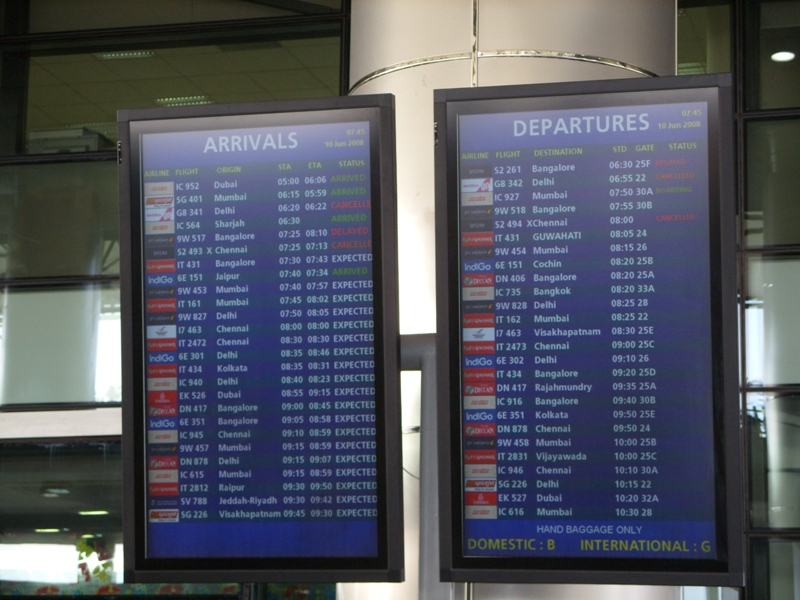
- Stay Informed: Monitor airport displays for changes in gates and boarding times.
- Communicate with Airline Staff: Politely approach staff for clarity on the delay and potential options for rebooking.
- Explore Alternative Flights: If your delay is significant, inquire about alternative flight options that may get you to your destination sooner.
- Keep Receipts: If you incur additional expenses due to the delay, such as food or accommodation, save your receipts for potential reimbursement claims later.
These proactive steps can help ensure that you are not left in the dark when unexpected delays occur.
How to Seek Compensation for Flight Disruptions
If you experience a cancellation or significant delay, pursuing compensation may be possible. Here are the steps to take:
- Gather Documentation: Keep all your travel documents, including tickets, boarding passes, and any emails or texts regarding flight changes.
- Understand Eligibility: Refer to the regulations governing your flight’s jurisdiction and identify if your case qualifies for compensation.
- Contact Customer Service: Reach out to the airline, ideally through their website, where many offer streamlined claims processes.
- Write a Formal Claim: If initial requests are ignored, drafting a formal compensation request may yield better results. Be clear and concise, specifying the nature of the issue and supporting evidence.
- Follow Up: Persistence can pay off. Follow up on your claim if you do not receive an answer within a reasonable timeframe.
Navigating the compensation process requires patience and clarity, but is often worthwhile after a frustrating experience.
The Role of Travel Insurance
One often-overlooked aspect of air travel is travel insurance. It can serve as a safety net for travelers facing unexpected changes:
- Coverage Types: Some policies cover trip cancellations, delays, and interruptions, providing peace of mind.
- Evaluating Policies: Make sure to read the fine print to understand what is and isn’t covered. Look for insurers that offer coverage for flight delays and cancellations explicitly.
- Claims Process: Much like with airlines, filing a claim with your insurer requires documentation, so keep all relevant information.
Travel insurance can significantly reduce stress when disruptions occur, making it an investment worth considering.