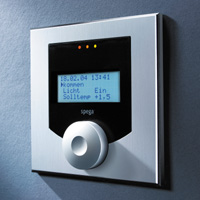
Getting Started with Smart Home Devices
Building a smart home doesn’t have to be overwhelming. Here are some essential steps to consider:
- Assess Your Needs: Determine which areas of your home could benefit from automation or improved efficiency.
- Choose a Hub: Select a central device or platform (like Google Home or Amazon Alexa) to integrate your devices.
- Start Small: Begin with a few devices and gradually expand as you become more comfortable with the technology.
This thoughtful approach will facilitate a smoother transition. We’ll next explore compatibility issues you might face when integrating devices.
Compatibility and Connectivity Issues
While smart home devices are designed to work together, compatibility can be a challenge. Here are some points to consider:
- Brand Specifics: Not all devices are compatible across different brands.
- Connectivity Standards: Ensure your devices support common standards like Zigbee or Z-Wave.
Checking compatibility before purchasing can save you headaches later. Coming up, we will discuss best practices for securing your smart home devices.
Security Best Practices for Smart Home Devices
As the convenience of smart home devices grows, so does the need for robust security measures. Here are a few best practices:
- Use Strong Passwords: Ensure your devices have unique, complex passwords.
- Regular Updates: Keep your device software updated to protect against vulnerabilities.
- Network Segmentation: Create a separate network for smart devices to isolate them from your main devices.
Implementing these practices can help safeguard your home’s privacy. Let’s wrap up with some frequently asked questions related to smart home technology.
FAQ
1. What are the main benefits of using smart home devices?
Smart home devices offer increased convenience, enhanced security, energy efficiency, and the ability to manage various aspects of your home remotely.
2. Are smart home devices easy to install?
Most smart devices are designed for easy installation, often requiring only a smartphone and app to set up. However, some may need professional installation, especially security systems.
3. How do I ensure my smart home devices are secure?
To secure your smart home devices, use strong, unique passwords, keep software updated, and consider setting up a dedicated network for these devices.
4. Can I control multiple devices with one hub?
Yes, many smart home hubs support multiple devices from various brands, allowing for centralized control and automation.
5. What should I consider when choosing smart home devices?
Consider factors such as compatibility with your existing devices, user-friendliness, and what specific needs you wish to address in your home.
By understanding and adopting smart home devices, you can significantly enhance your living space. From improving security to optimizing energy use, the possibilities are extensive.