Effective Prevention Strategies
To safeguard against phishing attempts, consider the following strategies:
- Use Security Software: Ensure you have robust antivirus and anti-malware software installed. Regularly update this software for optimal protection.
- Enable Two-Factor Authentication: Use two-factor authentication (2FA) whenever possible. 2FA adds an extra layer of security by requiring a second form of verification after entering your password.
- Educate Yourself and Others: Stay informed about the latest phishing tactics and educate those around you. Sharing knowledge can help others recognize threats, reducing overall risk.
- Regularly Update Passwords: Ensure passwords are strong and regularly changed. Use a mix of letters, numbers, and symbols to enhance security.
- Be Cautious with Personal Information: Avoid sharing sensitive information unless absolutely necessary. Verify the legitimacy of the request before providing any details.
Frequently Asked Questions
What are the common signs of phishing?
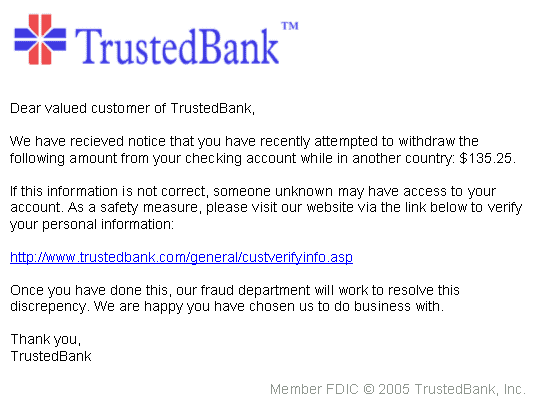
Look for unusual sender addresses, generic greetings, poor grammar, unexpected attachments, and mismatched URLs. These are typical indicators of phishing attempts.
How can I tell if an email is a phishing attempt?
Examine the sender’s email address, check for urgent language, and hover over links to see the true URLs. If anything seems off, do not engage.
Is phishing just an email-based scam?
No, phishing can occur via email, phone calls (vishing), SMS (smishing), and through websites that mimic legitimate ones. It can take various forms.
What should I do if I fall victim to a phishing attack?
Immediately change your passwords for any compromised accounts, enable two-factor authentication, and notify your bank or relevant organizations. Monitor your financial statements for unauthorized transactions.
Can phishing attacks target businesses?
Absolutely. Businesses, especially those handling sensitive information, are prime targets for phishing attacks. Organizations should implement policies and training to mitigate risks.
What role does social engineering play in phishing?
Social engineering manipulates individuals into revealing sensitive information. Many phishing tactics exploit psychological triggers like fear, curiosity, or urgency.
Are there legal consequences for phishing?
Yes, phishing is illegal and can lead to criminal charges, including identity theft and fraud, depending on the jurisdiction. Authorities actively pursue cybercriminals engaging in phishing.
How can businesses train employees to recognize phishing?
Companies can conduct regular training sessions, provide resources on recognizing signs of phishing, and create simulated phishing attacks to test employee awareness.